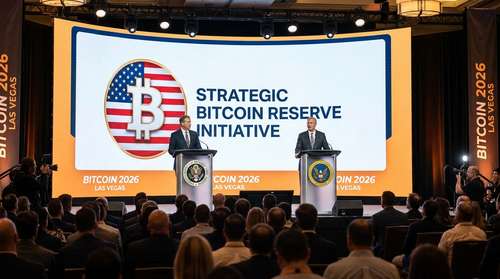
For years, the digital asset industry has pleaded for a transparent regulatory framework that fosters growth rather than stifling it. At the Bitcoin 2026 Las Vegas conference, the narrative officially shifted from enforcement to adoption. The combined presence of Patrick Witt White House advisor and Paul Atkins SEC Chair marked an unprecedented moment of regulatory synergy. Witt teased an imminent, massive step forward for the Strategic Bitcoin Reserve, while Atkins unveiled a groundbreaking SEC Innovation Exemption for on-chain tokenization.
This coordinated shift signals that the U.S. is not just tolerating digital assets but actively moving toward robust institutional Bitcoin adoption. If you are an investor, builder, or corporate treasurer, the developments from this week's Nevada summit are poised to rewrite the rules of global finance. Here is exactly what the new policies entail and how they will reshape capital markets.
The Path to a US National Bitcoin Reserve
The concept of a federally held crypto treasury is no longer just campaign rhetoric. Speaking to a crowd of over 40,000 attendees, Patrick Witt, Executive Director of the President's Council of Advisors for Digital Assets, confirmed that the administration is putting the final legal and operational touches on the Strategic Bitcoin Reserve.
"The president signed the strategic bitcoin reserve executive order, and we've been working on the legal and operational framework to get that right," Witt stated. He noted that the White House is ready to take a massive step forward from the executive branch side within weeks.
This US National Bitcoin Reserve was originally seeded by halting the auction of seized digital assets. However, the latest framework aims to establish a much broader mandate. The Treasury Department has openly discussed budget-neutral methods to expand these holdings, ensuring the United States maintains geopolitical and economic dominance in the digital age. For market participants, an active sovereign buyer fundamentally changes the supply-demand economics of the network, creating a massive supply sink.
Paul Atkins SEC Era Introduces the Innovation Exemption
While the White House solidifies the reserve, capital markets are getting their own long-awaited upgrade. Paul Atkins SEC Chair made history on April 27 as the first sitting securities regulator to address the annual Bitcoin conference. He used the platform to definitively end the era of regulation by enforcement.
During his fireside chat, Atkins outlined the highly anticipated SEC Innovation Exemption. Expected to launch formally within weeks, this regulatory sandbox grants qualified financial firms and crypto startups a 12-to-36-month safe harbor from Section 5 registration requirements. This means eligible entities can finally issue, trade, and settle tokenized securities on public blockchains legally.
The exemption carries logical guardrails. Participants must adhere to strict KYC/AML compliance, volume caps, and wallet whitelisting protocols. Yet, it removes the existential legal threat that previously drove domestic crypto innovation offshore. By allowing tokenized real-world assets (RWAs) and securitized instruments to trade on-chain under formal oversight, the agency is seamlessly bridging traditional finance with decentralized infrastructure.
A Cohesive Token Taxonomy
In addition to the exemption sandbox, Atkins highlighted the joint token taxonomy guidance developed alongside the CFTC. By officially recognizing that the vast majority of digital tokens are commodities rather than securities, the agencies are unblocking a massive bottleneck for decentralized finance protocols. This unified approach gives developers the clear rulebook they need to build the next generation of financial applications.
What This Means for Institutional Bitcoin Adoption
These coordinated federal announcements triggered an immediate market reaction, with Bitcoin pressing against the $80,000 resistance level during the conference's opening day. But beyond short-term price action, this triple resonance between the SEC, CFTC, and the White House lays the permanent groundwork for widespread institutional Bitcoin adoption.
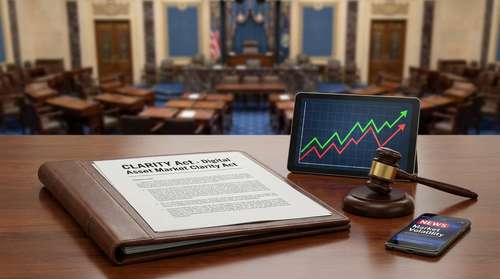
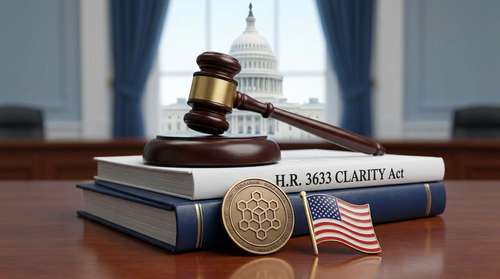
With a unified regulatory front, large-scale asset managers and legacy banks face drastically reduced compliance risk. Senator Cynthia Lummis is also using this momentum to push the CLARITY Act through the Senate, which would codify these administrative gains into permanent law. If your enterprise has been waiting for the green light on corporate crypto integration, the new regulatory sandbox effectively provides the legal runway to experiment and deploy capital safely.
The Road Ahead for the Digital Economy
The days of viewing digital assets as a speculative fringe are officially over. The unified push for a Strategic Bitcoin Reserve and a pragmatic tokenization sandbox proves that American policy is aggressively adapting to an on-chain future.
Over the coming weeks, global market eyes will be locked on Washington. The operational launch of the SEC's safe harbor and the White House's formal reserve policy will likely dictate the next major cycle of capital inflows. As Bitcoin 2026 Las Vegas wraps up its historic sessions, one thing is abundantly clear: the United States is officially open for crypto business, and the global financial ecosystem will never be the same.