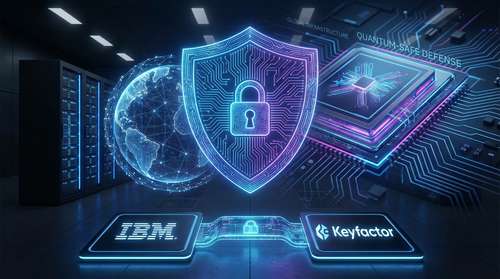
January 22, 2026 – In a major move to fortify global digital infrastructure against the looming threat of quantum computing, IBM Consulting and Keyfactor have announced a strategic partnership today. The new alliance introduces a comprehensive post-quantum cryptography (PQC) solution designed to help enterprises identify, manage, and transition their cryptographic assets before quantum processors can break current encryption standards.
A Critical Defense for the Quantum Era
As the timeline for commercially viable quantum computing accelerates, the cybersecurity industry is racing to implement defenses against "Q-Day"—the theoretical point when quantum computers will render traditional public key encryption obsolete. The IBM Keyfactor partnership addresses this urgent need by combining IBM’s deep governance frameworks and AI-driven delivery methods with Keyfactor’s market-leading certificate lifecycle automation.
"Cryptography sits at the center of every digital interaction, yet most enterprises struggle to see or understand the full scope of their cryptographic footprint," said Ted Shorter, CTO of Keyfactor, in a statement released Thursday. This lack of visibility has become a critical vulnerability as organizations face the "Harvest Now, Decrypt Later" threat, where adversaries steal encrypted data today to unlock it once quantum technology matures.
Automating the Migration to NIST PQC Standards
With the NIST PQC standards (FIPS 203, 204, and 205) now moving toward widespread adoption in 2026, the challenge for CISOs has shifted from theory to execution. The sheer volume of keys and certificates managed by modern enterprises makes manual migration impossible. The joint solution leverages cryptographic discovery tools to create a real-time inventory of an organization's digital trust assets.
The solution focuses on three core pillars:
- Deep Visibility: AI-based scanning that locates "shadow cryptography" across on-premises, cloud, and DevOps environments.
- Crypto-Agility: The ability to swap out aging algorithms (like RSA and ECC) for new quantum-resistant protocols without disrupting business operations.
- Lifecycle Automation: Automating the issuance, renewal, and revocation of digital certificates to eliminate human error and reduce outage risks.
Bridging the Gap Between Governance and Technology
While Keyfactor provides the technical machinery for automation, IBM Consulting brings the strategic layer essential for complex global organizations. The partnership utilizes IBM’s proprietary "Quantum Safe" methodology to assess risk levels across different data sets. Not all data requires immediate migration; IBM’s framework helps prioritize high-value targets—such as intellectual property, financial records, and critical infrastructure control systems—ensuring efficient resource allocation.
The Rise of Digital Trust Infrastructure
This announcement highlights a broader enterprise cybersecurity trend for 2026: the elevation of digital trust infrastructure from a backend utility to a boardroom priority. In recent years, expired certificates and mismanaged encryption keys have caused high-profile outages and security breaches. As regulations tighten globally, demanding stricter control over digital identities, the integration of IBM's governance with Keyfactor's agility offers a roadmap for compliance.
"We are moving past the 'wait and see' phase of quantum security," explains a cybersecurity analyst familiar with the deal. "Tools that offer immediate visibility are no longer optional. If you don't know where your encryption lives, you cannot upgrade it. This collaboration gives companies the map and the vehicle to navigate the post-quantum transition."
Looking Ahead: 2026 and Beyond
As quantum-safe encryption 2026 initiatives gain momentum, this partnership sets a new benchmark for industry collaboration. By solving the dual challenges of visibility and agility, IBM and Keyfactor are providing the essential tooling required to secure the next decade of digital innovation. For enterprise leaders, the message is clear: the time to build a quantum-resilient foundation is now.