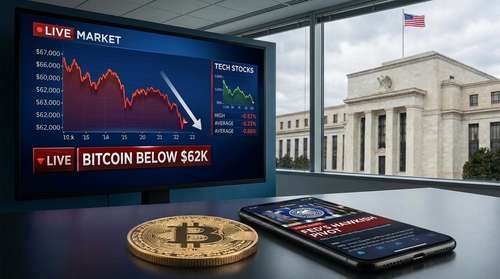

A catastrophic operational error at major South Korean cryptocurrency exchange Bithumb has sent shockwaves through the global digital asset market, briefly injecting a staggering $44 billion worth of Bitcoin into user accounts. The incident, which occurred late Friday, triggered a 17% flash crash on the platform and has drawn immediate scrutiny from the Financial Services Commission (FSC). As the dust settles, the broader crypto market remains on edge, with Bithumb Bitcoin error fears contributing to a sell-off that saw BTC prices testing critical support levels near $68,000.
The $44 Billion 'Fat Finger' Mistake Explained
In what is being described as one of the largest erroneous transfers in financial history, Bithumb accidentally distributed approximately 620,000 Bitcoin to 695 users. The blunder originated from a promotional event intended to reward participants with a modest 2,000 Korean won (approximately $1.40). Instead, a data entry error—often referred to in trading circles as a "fat finger" mistake—resulted in users receiving 2,000 BTC each.
At current market rates, the unintended distribution was valued at roughly $44 billion, a figure that briefly distorted the exchange's internal ledger. Bithumb acted swiftly, freezing withdrawals and trading for the affected accounts within 35 minutes of the distribution. According to official statements, the exchange has successfully recovered 99.7% of the erroneously distributed assets, equating to about 618,212 Bitcoin. However, the 35-minute window allowed some users to sell their windfall, exacerbating volatility.
Flash Crash and Global Contagion
The immediate impact of the error was a localized Bitcoin price crash 2026 on the Bithumb platform. As lucky recipients rushed to liquidate their unexpected holdings, the price of Bitcoin on the exchange plummeted by over 17% to 81.1 million won. While the exchange's "domino liquidation prevention system" eventually kicked in to halt the cascade, the psychological damage had already spread to the global market.
International markets, already jittery from macroeconomic headwinds, reacted negatively to the sudden liquidity shock in South Korea. The event contributed to a broader downturn, with global Bitcoin prices dipping below the psychological $70,000 barrier and re-testing the $68,000 support level. This fragility highlights how interconnected and sensitive the modern crypto infrastructure remains to major exchange anomalies.
Fear and Greed Index Hits Historic Lows
Investor sentiment has taken a severe hit following the debacle. The Bitcoin fear and greed index has plunged into "Extreme Fear" territory, registering a rare score of 6/100. This level of pessimism hasn't been seen since the market bottoms of 2019 and 2022, suggesting that traders are deeply apprehensive about potential systemic risks and further regulatory crackdowns.
South Korea Crypto Regulation Intensifies
The scale of the error has triggered an aggressive response from South Korean regulators. The Financial Services Commission Bithumb probe was launched immediately, with the Financial Supervisory Service (FSS) dispatching investigators to the exchange's headquarters in Gangnam-gu, Seoul. Authorities are not just investigating the specific cause of the error but are also conducting a comprehensive review of Bithumb's internal control systems.
This incident is expected to accelerate South Korea crypto regulation, specifically regarding exchange reserves and operational security. The FSC has already signaled that it may expand its inspections to other domestic exchanges to ensure they possess adequate safeguards against similar catastrophic failures. For Bithumb, the second-largest exchange in the country, the scrutiny comes at a delicate time as it faces separate investigations regarding advertising claims.
Market Outlook: Will $68,000 Hold?
As of today, BTC market news today is dominated by questions of stability. While Bithumb has stabilized its platform, the "fat finger" incident has exposed the fragility of current market liquidity. Analysts warn that if the $68,000 support level fails to hold, Bitcoin could face a deeper correction toward the $60,000 range.
Conversely, contrarian investors view the extreme fear metrics as a potential buy signal, noting that historical dips to these sentiment levels often precede sharp recoveries. However, until the regulatory dust settles in South Korea and global liquidity stabilizes, volatility is expected to remain the norm.