In an unprecedented escalation of executive power, the Trump Federal Reserve standoff has reached a critical breaking point. On Sunday, Federal Reserve Chair Jerome Powell revealed that the Department of Justice (DOJ) has served the central bank with grand jury subpoenas, effectively threatening a criminal indictment against the institution's leadership. This explosive development marks the most significant challenge to Federal Reserve independence in its history, sending shockwaves through global financial markets and Washington alike.
DOJ Investigation: A Renovation or a Pretext?
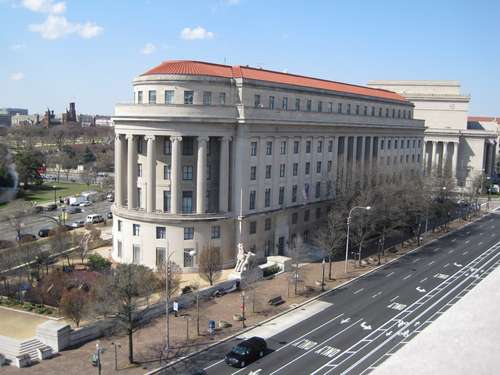
The official justification for the Justice Department's aggressive move centers on a $2.5 billion renovation project of the Federal Reserve's headquarters in Washington, D.C. Administration officials allege that Chair Powell misled Congress during testimony last June regarding massive cost overruns associated with the project. The investigation focuses on whether these statements constituted perjury or a misuse of government funds.
However, the timing of the Department of Justice Fed subpoenas has raised immediate red flags among legal scholars and economists. The move comes amidst months of relentless public pressure from the White House for the central bank to slash interest rates more aggressively. Critics argue that targeting the Fed Chair with criminal charges over administrative costs is a thinly veiled attempt to force a resignation before his term expires.
The "Pretext" for Control
Chair Powell did not mince words in his response to the subpoenas. In a defiant video statement released Sunday night, he labeled the investigation a clear "pretext" for the President to seize direct control over US interest rate policy 2026. Powell stated unequivocally that the threat of criminal charges was "a consequence of the Federal Reserve setting interest rates based on our best assessment of what will serve the public, rather than following the preferences of the President."
Jerome Powell Criminal Charges Threat Roils Markets
The market impact Trump Fed war has been swift and severe. Following the announcement, uncertainty gripped global investors who have long relied on the Fed's autonomy as a cornerstone of economic stability. The U.S. dollar tumbled against major currencies, while gold prices surged to record highs, hitting $4,600 an ounce as traders sought safe havens.
Wall Street reacted with nervousness, with the Dow Jones Industrial Average dropping nearly 400 points. The prospect of Jerome Powell criminal charges essentially politicizing monetary policy has introduced a risk premium into U.S. assets. "If the Fed's decisions are seen as dictated by the White House, the credibility of the dollar is at risk," noted one senior market strategist. Investors are now anxiously watching to see if this legal intimidation will force a dovish pivot in policy or if the Fed will dig in its heels.
White House Fed Standoff: A Constitutional Crisis?
This conflict represents more than just a policy disagreement; it is a potential constitutional crisis. The White House Fed standoff challenges the statutory independence of the central bank, which was designed by Congress to operate free from short-term political interference. A criminal indictment of a sitting Fed Chair is uncharted legal territory.
The political fallout has been immediate. Republican Senator Thom Tillis, a key member of the Senate Banking Committee, announced he would oppose any administration nominees to the Fed until the legal matter is resolved, citing concerns over the DOJ's own independence. Meanwhile, a bipartisan group of former Fed Chairs—including Janet Yellen, Ben Bernanke, and Alan Greenspan—issued a joint statement condemning the move as an "unprecedented attempt" to undermine the rule of law.
The Path Forward: Independence at Stake
As the May 2026 expiration of Powell's term approaches, the stakes could not be higher. If the administration succeeds in using the threat of prosecution to influence monetary policy, it could fundamentally alter the U.S. economic landscape. The Federal Reserve independence that has tamed inflation and guided the economy for decades is now hanging in the balance, awaiting the outcome of this historic power struggle.