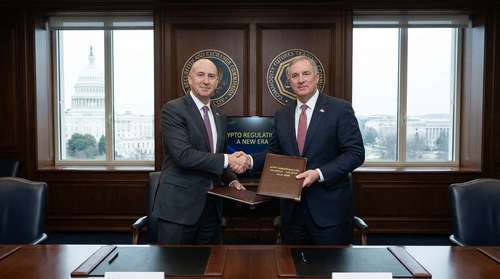
After years of jurisdictional crossfire that drove digital asset businesses overseas, the United States is finally charting a unified course for financial innovation. On March 11, 2026, federal watchdogs finalized a landmark agreement that fundamentally reshapes the oversight of digital markets. This definitive SEC CFTC MoU 2026 acts as a regulatory peace treaty, aimed at ending the duplicative rulebooks and parallel enforcement actions that have long plagued the industry.
The Dawn of a Unified Era: Breaking Down the SEC CFTC MoU 2026
For the past decade, financial firms looking to navigate the American digital asset ecosystem were caught between two heavyweights: the Securities and Exchange Commission (SEC) and the Commodity Futures Trading Commission (CFTC). Historically, these entities operated in entirely distinct ecosystems. The SEC was forged in the aftermath of the 1929 crash to police securities, while the CFTC emerged in 1974 to oversee derivatives. However, modern blockchain technology and digital tokens frequently blur the lines between securities and commodities, subjecting companies to double registrations and conflicting directives.
The newly signed Memorandum of Understanding signals an aggressive pivot. Moving away from the fragmented approach of the past, both agencies have committed to a minimum effective dose of regulation. This shift prioritizes lawful innovation while maintaining robust customer protections. Paul Atkins SEC Chairman remarked that the days of regulatory turf wars are over, framing the MoU as the blueprint for a new era of American finance.
Inside the Joint Harmonization Initiative
To operationalize this new partnership, the agencies launched the Joint Harmonization Initiative. Co-led by Robert Teply from the SEC and Meghan Tente from the CFTC, this task force is charged with aligning the agencies' specific supervisory frameworks into concrete workstreams.
The initiative targets six core operational priorities. These include establishing a fit-for-purpose regulatory framework for crypto assets, modernizing clearing and margin structures, and streamlining reporting for trade data. By clarifying product definitions through joint rulemakings, the initiative directly addresses the classification headaches that previously stalled product development. The agencies will also coordinate cross-market examinations and share secure analytics, granting both regulators a more comprehensive view of systemic risk.
Paving the Way for Financial Super Apps
One of the most practical applications of this evolving US digital asset policy is the runway it provides for financial super apps. Current regulations essentially mandate walled gardens, forcing distinct platforms for spot trading, margin, and derivatives. By exploring alternative compliance avenues, the agencies want to let dual-registrants consolidate these services efficiently. A single brokerage account could soon seamlessly offer traditional equities, derivatives, and crypto assets under one regulated umbrella, drastically reducing operational friction for retail and institutional traders alike.
What Paul Atkins SEC Leadership Means for Crypto Market Clarity
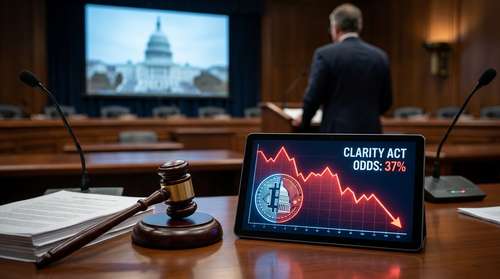
The tone at the top matters immensely. Both Chair Atkins and CFTC Chair Michael Selig bring a shared vision to financial technology, advancing this coordination independently of stalled congressional efforts like the CLARITY Act. Selig recently emphasized that for U.S. markets to remain the envy of the world, regulatory frameworks must evolve alongside investor demands.
Atkins has been particularly vocal about the damages of the previous regime. He explicitly noted that the regrettable era of duplicative enforcement actions is finished. If the SEC and CFTC now investigate the same entity, the memorandum dictates that they must confer on legal theories, coordinate filings, and sequence their public communications. There will be no more regulatory pile-ons. This united front delivers much-needed crypto market clarity, replacing retroactive punishments with proactive, technology-neutral guidance.
Unlocking Institutional Crypto Adoption
While the MoU itself does not legally alter either agency's statutory authority granted by Congress, its practical impact on daily operations is massive. For institutional players who have historically sidelined billions of dollars due to compliance ambiguities, this is the green light they have been waiting for.
True institutional crypto adoption relies heavily on predictable infrastructure. When clearinghouses can confidently collaborate with third-party digital asset custodians, and when dual-registered venues no longer have to navigate contradictory surveillance expectations, capital flows freely. This historic alignment ensures that American financial markets remain highly competitive globally, reducing the friction that previously sent major market participants to Europe or the Middle East.
This latest crypto regulation news represents more than just bureaucratic housekeeping. It is a strategic unblocking of the American innovation engine, setting the stage for the next major phase of integrated digital finance.