In a stunning display of predictive accuracy that has sent shockwaves through Washington and Wall Street, an anonymous trader on the decentralized prediction platform Polymarket walked away with over $400,000 following the surprise capture of Venezuelan President Nicolás Maduro. The payout, triggered just hours after a U.S.-led raid on January 22, 2026, has ignited a firestorm of controversy regarding the integrity of blockchain-based betting markets and the potential for unchecked insider trading.
The $400K Wager That Beat the CIA
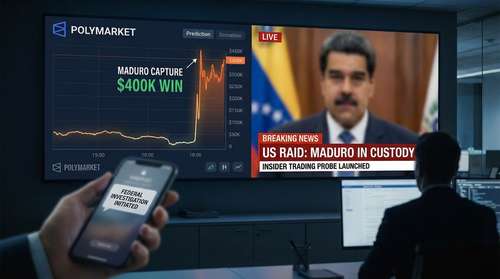
The controversy centers on a user identified only by the pseudonym "Burdensome-Mix," who placed a series of high-risk wagers totaling approximately $32,000 on the outcome "Maduro out by February 2026." According to on-chain data, the bulk of these bets were executed mere hours before President Trump announced the success of "Operation Absolute Resolve," the dawn raid that resulted in Maduro's detention.
At the time of the wager, the odds of Maduro's capture were hovering at a mere 6%, reflecting the general geopolitical consensus that the Venezuelan strongman remained secure. When the news broke at 4:21 AM EST, the shares skyrocketed to 99 cents, turning the trader's speculative position into a windfall of roughly $436,000. This massive return on investment—over 1,200% in under 24 hours—has led market analysts and regulators to question whether the trader was merely lucky or possessed classified information.
Crypto Insider Trading Probe Launched
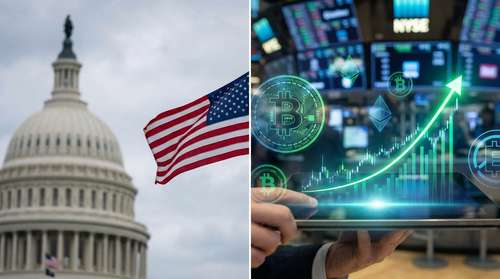
The uncanny timing of the bet has triggered immediate calls for a crypto insider trading probe. Regulators at the Commodity Futures Trading Commission (CFTC) have long warned that decentralized prediction markets could serve as venues for profiting from non-public information. Following the news, Rep. Ritchie Torres (D-NY) announced plans to introduce emergency legislation, tentatively titled the "Public Integrity in Prediction Markets Act," aimed at closing loopholes that allow anonymous actors to profit from state secrets.
"If decentralized prediction markets 2026 allows individuals to monetize classified military operations before the public is aware, we are facing a national security crisis disguised as financial innovation," Torres stated in a press briefing Thursday morning. "This isn't just about gambling; it's about the commodification of intelligence."
Blockchain Betting Regulation Under the Microscope
The incident highlights the growing friction between privacy-centric blockchain protocols and federal oversight. Unlike traditional financial exchanges, Polymarket operates on a decentralized network where user identities are often shielded behind cryptographic wallets. While the platform has implemented Know Your Customer (KYC) protocols for large traders following its 2022 settlement with the CFTC, the "Burdensome-Mix" account appears to have utilized a complex web of bridge transactions to obscure its origin.
Legal experts argue that proving insider trading in this context is notoriously difficult. "The blockchain provides a perfect ledger of what happened, but not necessarily who knew what," explains digital asset attorney Sarah Jenkins. "Unless investigators can link the wallet to a government official or military insider, this may just go down as the greatest lucky guess in history."
Prediction Market Technology Trends and the "Oracle" Problem
Despite the regulatory backlash, proponents of prediction market technology trends argue that the market functioned exactly as designed: as a truth-seeking machine. By aggregating dispersed information, prediction markets often signal real-world events faster than traditional news outlets. In this case, the market "knew" about the Trump Maduro raid news hours before the official press release, a phenomenon known as the "oracle problem"—where markets become more efficient than the media cycles reporting on them.
Polymarket has yet to issue an official statement regarding the specific user, but trading volumes on the platform surged to record highs following the news. As the 2026 midterms approach, the platform's ability to withstand this new wave of scrutiny will likely define the future of decentralized information markets.
What's Next for Decentralized Markets?
As the investigation unfolds, the crypto industry is bracing for a potential crackdown. The unexpected Polymarket anonymous trader win has handed regulators a prime example of the risks associated with unregulated financial speculation on geopolitical events. Whether "Burdensome-Mix" was a rogue insider or a geopolitical savant remains to be seen, but one thing is certain: the era of flying under the regulatory radar is over for prediction markets.