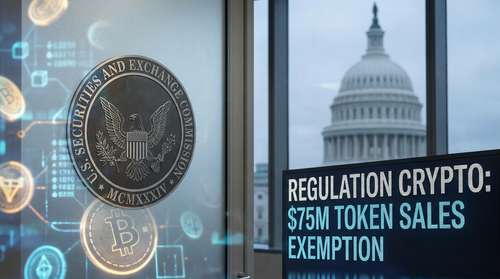

In a watershed moment for the digital asset industry, the U.S. Securities and Exchange Commission (SEC) and the Commodity Futures Trading Commission (CFTC) have announced an unprecedented joint summit scheduled for January 27, 2026. This historic session, led by SEC Chairman Paul Atkins and newly appointed CFTC Chairman Michael Selig, aims to formally dismantle the "regulation by enforcement" approach that characterized the previous administration. The summit marks the first concrete step toward a unified federal framework under the "Digital Asset Market Clarity" initiative, signaling to global markets that the United States is ready to reclaim its status as the crypto capital of the world.
The End of the Turf Wars: A Unified Regulatory Front
For years, the U.S. crypto market was plagued by jurisdictional ambiguity and inter-agency friction. The January 27 summit represents a decisive break from this past. According to joint statements released this week, the session will focus on merging the SEC’s "Project Crypto" task force with the CFTC’s newly launched "Future-Proof" initiative. The goal is clear: to establish a seamless regulatory perimeter where digital assets can be classified, traded, and settled without the looming threat of conflicting oversight.
Chairman Paul Atkins, who took the helm at the SEC in April 2025, has already made significant waves by removing cryptocurrency as a standalone enforcement priority for the 2026 fiscal year. "We will not let fear of the future trap us in the past," Atkins stated in a recent address, emphasizing a return to "bread-and-butter" fraud prevention over novel legal theories. This philosophy aligns perfectly with CFTC Chairman Michael Selig, a former crypto attorney sworn in just last month, who has advocated for the "minimum effective dose of regulation" to foster innovation while protecting consumers.
By the Numbers: The Enforcement Retreat
The announcement of the summit comes on the heels of a revealing report by Cornerstone Research, released on January 22, 2026. The data confirms what industry insiders have long suspected: the federal government has dramatically pulled back its legal assault on the sector. The report highlights a staggering 60% decline in crypto-related enforcement actions in 2025 compared to the previous year. Under Atkins' leadership, the SEC has moved to dismiss or settle high-profile cases against major industry players like Coinbase and Binance, opting instead for policy-oriented solutions.
Defining the 'Safe Harbor'
One of the most anticipated items on the summit's agenda is the potential announcement of a "joint safe harbor" for decentralized finance (DeFi) protocols. Sources familiar with the planning indicate that the agencies are working to harmonize their definitions of "exchanges" and "contract markets," potentially creating a pathway for compliant 24/7 trading of both security and commodity tokens on shared infrastructure. This would effectively bridge the gap that has left billions of dollars in capital on the sidelines.
Legislative Tailwinds: The CLARITY Act
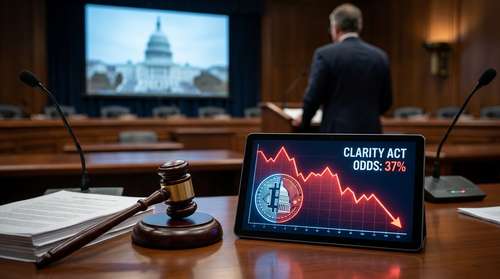
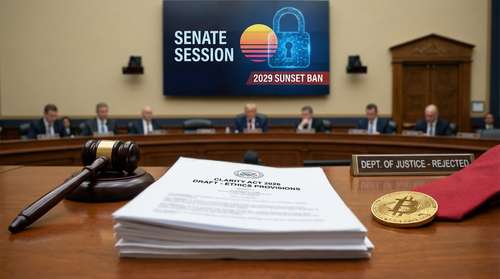
The regulatory détente is not happening in a vacuum. The summit is widely seen as the executive branch's response to the "CLARITY Act" (Cryptocurrency Regulation Yields Protections, Trust, and Oversight), a comprehensive market structure bill introduced by Senate Republicans earlier this month. The legislation explicitly calls for a joint SEC-CFTC advisory committee to prevent regulatory arbitrage.
Michael Selig’s rapid ascent to the CFTC chairmanship has been a catalyst for this alignment. In his January 20 op-ed, Selig criticized opaque rules that "will not stand the test of time" and pledged to modernize the CFTC's approach to prediction markets and digital commodities. His "Future-Proof" initiative aims to review existing rules to ensure they accommodate blockchain technology rather than stifle it.
What to Expect on January 27
Market participants are bracing for a flurry of announcements next Tuesday. Analysts predict the unveiling of a joint "no-action" letter policy, allowing firms to self-report historical non-compliance in exchange for amnesty and a clear path to registration. Such a move would effectively reset the relationship between Washington and the crypto industry.
As the U.S. moves to implement the "U.S. crypto capital" vision outlined by the current administration, the Jan 27 summit stands as the pivotal moment where political rhetoric transforms into regulatory reality. For an industry that has spent a decade in the legal wilderness, the prospect of a harmonized rulebook is nothing short of revolutionary.