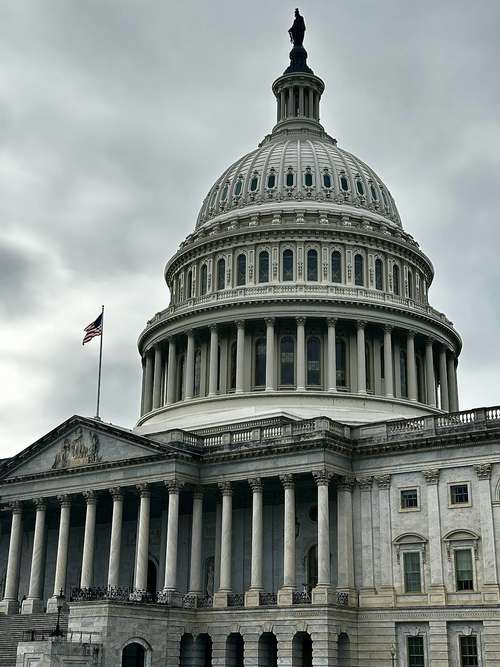
Bitcoin's aggressive charge toward the psychological $100,000 milestone has hit a legislative wall this weekend. The cryptocurrency market is grappling with renewed uncertainty after the US Senate Banking Committee abruptly postponed the markup of the landmark Digital Asset Market Clarity Act (CLARITY Act). As of January 17, 2026, Bitcoin is trading sideways near the $97,000 resistance level, stalling a weeks-long rally that seemed destined to break six figures. This legislative gridlock, fueled by last-minute industry opposition, has forced investors to reassess the timeline for comprehensive digital asset regulation 2026.
Senate Delay Halts Market Momentum
The highly anticipated markup of the CLARITY Act was scheduled for earlier this week, but Senate Banking Committee Chairman Tim Scott announced a strategic postponement following intense pushback from key industry players. This delay has injected a fresh dose of crypto market volatility today, dampening the "institutional FOMO" that had been driving prices higher since the start of the year.
For weeks, the narrative driving the market was clear: regulatory certainty was imminent. However, the sudden brake-pumping in Washington has reminded traders that the path to legitimization is rarely a straight line. With the markup on hold, the window for passing a comprehensive US crypto market structure bill before the midterms is narrowing, leaving institutional capital on the sidelines awaiting clearer rules of the road.
Why the CLARITY Act Stalled
The primary catalyst for the delay was not partisan politics, but a fractured coalition within the crypto industry itself. Major exchanges, led publicly by Coinbase, withdrew support for the bill in its final draft form. The sticking points are specific and significant.
Controversial Provisions Spark Outrage
Industry leaders argued that the draft legislation contained "poison pill" provisions that would have effectively stifled innovation in the United States. Three main issues caused the breakdown:
- Stablecoin Restrictions: The bill proposed banning platforms from offering yield or rewards on stablecoins, a move seen as protectionist for traditional banks but devastating for consumer crypto products.
- DeFi Prohibitions: New language would have imposed unworkable compliance requirements on Decentralized Finance (DeFi) protocols, potentially criminalizing software development.
- Tokenized Equity Bans: The draft included what critics called a "de facto ban" on tokenized real-world assets (RWAs), a sector many view as the future of finance.
Brian Armstrong and other executives successfully argued that passing a flawed bill would be worse than having no bill at all, prompting the Senate Banking Committee to return to the negotiating table.
Bitcoin Price Prediction $100k: Denied or Delayed?
The market reaction was immediate but not catastrophic. Bitcoin retreated from its intraday high of $98,000 to find support in the $95,500 range. Technical analysts suggest that while the Bitcoin price prediction $100k target remains valid for Q1 2026, the catalyst for the final breakout may have shifted.
Traders are now watching the $94,000 support level closely. If this floor holds, the current consolidation could be a healthy reset, allowing leverage to flush out before another attempt at the all-time high. However, if uncertainty drags on, we could see a deeper correction as short-term speculators exit their positions. The consensus among macro analysts is that the underlying demand remains strong, driven by ETF inflows, even if the legislative tailwind has temporarily turned into a headwind.
Davos 2026: Global Eyes on US Regulation
The timing of this delay is critical as global financial leaders gather for the World Economic Forum Davos 2026 crypto discussions next week. The inability of the U.S. to advance its market structure bill stands in stark contrast to other jurisdictions that are moving ahead with clear frameworks.
Reports from early arrivals in Davos suggest that global chief economists are expressing caution regarding asset valuations, citing "froth" in AI stocks and potential downside risks for crypto if regulatory clarity is not achieved. The U.S. failure to act decisively this week may weaken its position in global regulatory harmonization talks at the forum, potentially accelerating the migration of crypto innovation offshore.
What's Next for Crypto Regulation?
Despite the setback, the legislative process is not dead. Senator Scott has indicated that negotiations are ongoing to address the industry's concerns. The challenge now lies in balancing robust consumer protection with the flexibility needed for technological innovation. For investors, the next few weeks will be a test of patience. The long-term thesis for digital assets remains intact, but the short-term price action will likely remain tethered to headlines coming out of Washington and Davos.