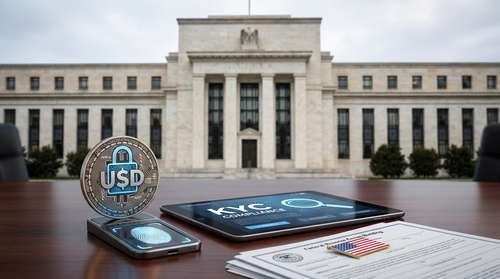

Washington is sounding the alarm over a rapidly expanding threat within the digital asset sector. U.S. financial regulators have issued a high-priority warning regarding the explosive growth of crypto shadow banks. These digital-first financial entities are aggressively embedding themselves into the traditional economy, performing core banking functions without the stringent oversight required of conventional institutions. Policymakers caution that this unchecked expansion could trigger a cascading contagion, echoing the systemic failures of the 2008 financial crisis.
The urgency stems from recent sweeping regulatory proposals. On February 25, 2026, the Office of the Comptroller of the Currency (OCC) unveiled a massive 376-page rulebook designed to implement the Guiding and Establishing National Innovation for U.S. Stablecoins Act. While intended to create a safe framework, the rollout has inadvertently highlighted how easily major crypto players can leverage regulatory grey areas to operate as de facto banks. The fear is palpable: entities holding massive reserves and processing billions in daily transactions are slipping through the cracks of traditional prudential supervision.
The Exploitation of OCC National Trust Charters
A central flashpoint in this growing crisis is the weaponization of OCC national trust charters. Originally designed for traditional institutions managing fiduciary assets, these specialized charters are increasingly being sought by massive fintech and digital asset firms. By securing or attempting to secure these designations, crypto companies can bypass the strict capital, liquidity, and stress-testing guardrails that govern traditional commercial banks.
Under the new 2026 rules, approved entities can operate as Permitted Payment Stablecoin Issuers (PPSIs). While the framework mandates 1:1 reserve ratios using highly liquid instruments like short-term U.S. Treasuries, critics in Washington argue that the sheer scale of these operations transforms them into shadow banking behemoths. Because these digital platforms are not insured depository institutions backed by the FDIC, a sudden loss of consumer confidence could spark a devastating digital bank run. The ensuing panic would leave everyday consumers and the broader market entirely exposed to immediate, catastrophic losses.
Mounting Financial Systemic Risk and Loopholes
The integration of digital assets into legacy finance has never been tighter, and the resulting financial systemic risk is scaling proportionally. A primary concern for the OCC is closing a glaring loophole that allowed crypto exchanges to offer yield-bearing stablecoins through third-party affiliates. The new laws explicitly prohibit stablecoin issuers from paying direct interest to token holders. However, aggressive lobbying by industry titans previously sought to preserve indirect loyalty programs to maximize their billion-dollar revenue streams.
When crypto firms act as shadow banks—taking what essentially amount to customer deposits and routing them into complex, yield-generating operations—they connect the volatile digital asset market directly to traditional banking infrastructure. If a major trust-chartered crypto platform fails, the forced liquidation of its reserve assets would send immediate shockwaves through conventional bond and equity markets. This dynamic is exactly what regulators mean when they warn of a systemic contagion originating from the blockchain.
How the GENIUS Act Crypto Framework Changes the Game
The current crisis narrative severely complicates the legacy of the GENIUS Act crypto framework. Signed into law in July 2025, the legislation was heralded as a bipartisan victory that would finally bring order to the decentralized finance sector. Instead, the 2026 implementation phase has triggered a fierce battle over the definition of banking itself and exposed structural vulnerabilities in the oversight process.
Under the OCC's latest proposal, new stablecoin issuers face a surprisingly low minimum capital requirement floor of just $5 million. Furthermore, non-bank state-qualified issuers that exceed $10 billion in outstanding digital assets must transition to federal oversight within 360 days. This $10 billion threshold has sparked a race among massive shadow entities to either restructure their operations entirely or petition the OCC for federal waivers. The result is a fractured, rapidly shifting landscape where crypto banking integration consistently outpaces the speed at which examiners can audit these highly complex distributed ledger networks.
The Landscape of US Crypto Regulation 2026
As the public comment period for the OCC's proposed stablecoin legislation rules extends toward its May deadline, the pressure on Capitol Hill is reaching a boiling point. The Treasury Department, alongside the FDIC and the Federal Reserve, is scrambling to coordinate a unified response before the GENIUS Act's hard effective date in early 2027.
Lawmakers are now debating whether emergency legislative amendments are necessary to enforce stricter capital buffers and absolute firewalls between digital trust companies and traditional lending markets. The message from the highest levels of US crypto regulation 2026 enforcement is clear: allowing crypto firms to enjoy the privileges of the American financial system without bearing the full weight of its safety obligations is a recipe for disaster. If Washington fails to aggressively rein in these shadow banks now, the next major global financial collapse is already being coded.