
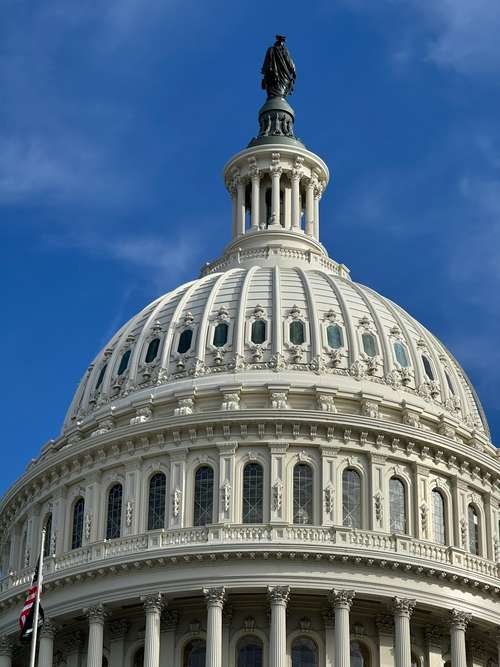
The United States Senate has officially unveiled the draft for the landmark Clarity Act crypto bill, marking a decisive moment in the long-standing battle for regulatory certainty. Released today, January 13, 2026, the comprehensive legislation aims to permanently resolve the jurisdictional tug-of-war between the Securities and Exchange Commission (SEC) and the Commodity Futures Trading Commission (CFTC). With SEC Chair Paul Atkins declaring this a “big week for crypto,” the bill promises to end the era of “regulation by enforcement” and establish a clear pathway for digital assets to flourish on American soil.
Defining the Rules: The Clarity Act’s Core Jurisdictional Split
At the heart of the newly released draft is a definitive solution to the most pressing question in the industry: who regulates what? The Clarity Act proposes a rigid jurisdictional split that would classify the vast majority of cryptocurrencies as “digital commodities,” placing them squarely under the oversight of the CFTC. This move is designed to strip away the ambiguity that has plagued projects for years, where tokens were often treated as unregistered securities by default.
Under the proposed framework, the CFTC would gain exclusive jurisdiction over the spot markets for these digital commodities, overseeing exchanges and broker-dealers. The SEC would retain its authority over assets clearly structured as investment contracts, but the bill introduces a “functional” test to allow tokens to shed their security status as networks become decentralized. This digital asset commodity classification is a direct response to industry demands for a framework that reflects the technological reality of decentralized networks.
Paul Atkins and the End of the ‘Regulatory Grey Zone’
SEC Chair Paul Atkins, who has been steering the agency toward a more pro-innovation stance since taking office, hailed the Senate’s move as a critical step toward maturity. In a statement released shortly after the draft’s unveiling, Atkins emphasized that the “regulatory grey zone” has stifled American competitiveness for too long. His administration has already launched “Project Crypto” to modernize the SEC’s approach, but he acknowledges that statutory clarity from Congress is the final piece of the puzzle.
“The most important thing we can do right now for investors is bring crypto asset markets out of the shadows,” Atkins noted. By explicitly limiting the SEC’s reach to traditional securities violations and fraud, the Clarity Act crypto bill aligns with Atkins’ vision of a regulator that protects investors without strangling technological progress. This legislative backing provides the SEC with the clear mandate it needs to stop governing by lawsuit and start governing by rule.
The Bank vs. Crypto Standoff: Stablecoin Rewards
While the jurisdictional clarity is welcomed, the bill is not without its battlegrounds. A major point of contention in the Senate draft involves the treatment of stablecoins, specifically regarding “passive yields.” Building on the “GENIUS Act” passed in late 2025, the new draft includes provisions championed by the banking lobby that would restrict crypto platforms from offering interest on stablecoin balances unless tied to active services like staking or liquidity provision.
Banking representatives argue that allowing unregulated crypto platforms to offer high yields on cash-equivalent assets risks massive deposit flight from community banks. This provision sets up a tense negotiation ahead of the January 15 markup, as US Senate crypto legislation attempts to balance the interests of traditional finance with the disruptive potential of DeFi.
Lummis, Gillibrand, and the Path to Passage
Senator Cynthia Lummis (R-WY), a long-time advocate for the industry, has been instrumental in shaping this legislation alongside Senator Kirsten Gillibrand (D-NY). The Cynthia Lummis crypto bill efforts have culminated in this bipartisan push, which now sees support from key figures like Senate Banking Chair Tim Scott and Agriculture Committee Chair John Boozman. With White House “Unknown” Czar David Sacks pushing for rapid adoption, the political momentum is stronger than ever.
The Senate is expected to move quickly, with committee markups scheduled for later this week. If passed, the Clarity Act would harmonize with the House’s version, paving the way for a unified regulatory regime before the end of Q1 2026. For market participants, the message is clear: the days of guessing are over. The US is poised to establish the world’s most robust US crypto market clarity, finally welcoming the digital asset economy into the formal financial fold.