President Donald Trump has threatened to invoke the Insurrection Act of 1807 to deploy federal troops to Minneapolis, escalating tensions in a city already gripped by civil unrest. The January 15, 2026, announcement follows over a week of volatile protests sparked by the fatal shooting of Renee Good by an ICE agent and a massive federal immigration crackdown 2026 that has flooded the Twin Cities with thousands of federal officers.
Trump Threatens to Invoke Insurrection Act 2026
In a move that has drawn sharp condemnation from state and local officials, President Trump issued a stern warning on Truth Social, threatening to use the Insurrection Act 2026 to "quickly put an end to the travesty" in Minneapolis. The President accused Minnesota's leadership of failing to control "professional agitators and insurrectionists" who he claims are attacking federal agents.
If invoked, the act would authorize the deployment of active-duty military troops to enforce domestic law, effectively bypassing the Minnesota National Guard and Governor Tim Walz's authority. This threat comes as part of the administration's aggressive "Operation Metro Surge," which has seen between 2,000 and 3,000 federal agents deployed to the region to enforce stricter immigration policies.
Legal experts note that while the 1807 Insurrection Act gives the President broad powers to suppress rebellion, its use without a governor's request is historically rare and legally contentious. Critics argue this move could set a dangerous precedent for federal intervention in state affairs ahead of the midterms.
Renee Good Shooting Ignites Minneapolis Civil Unrest
The catalyst for the current wave of Minneapolis civil unrest was the January 7, 2026, killing of Renee Nicole Good, a 37-year-old American citizen. Good was fatally shot by an ICE agent while sitting in her vehicle during an immigration enforcement operation. While the Department of Homeland Security (DHS) claims the agent acted in self-defense against a "weaponized vehicle," witnesses and family members assert she was acting as a legal observer and posed no imminent threat.
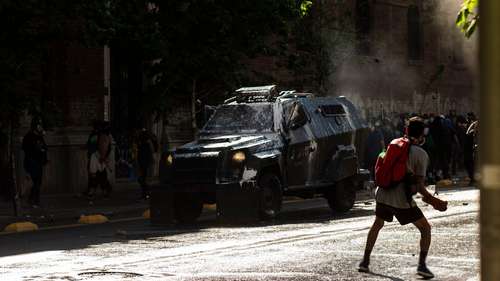
Tensions reached a boiling point again on Wednesday, January 14, when another federal officer shot a Venezuelan immigrant in the leg during a confrontation in North Minneapolis. The incident, which allegedly involved a struggle with a shovel, reignited Trump Minneapolis protests, leading to clashes where federal officers used tear gas and flash-bang grenades against demonstrators.
State vs. Federal Standoff
Minnesota Governor Tim Walz and Minneapolis Mayor Jacob Frey have publicly demanded the withdrawal of federal forces, describing the operation as an "occupation" and a "campaign of retribution." Governor Walz made a direct appeal to the White House to "turn the temperature down," while Deputy Attorney General Todd Blanche escalated the rhetoric by accusing state officials of aiding "terrorism" by not cracking down on protesters.
Federal Troops Minneapolis: What to Expect
Should the President follow through on his threat to deploy federal troops to Minneapolis, the city could see a militarized presence unlike anything since the unrest of the early 2020s. Unlike the National Guard, which answers to the Governor, these troops would operate under direct federal command.
Residents report a climate of fear as immigration crackdown 2026 operations continue. DHS Secretary Kristi Noem has stated there are "no plans to pull out of Minnesota," affirming the administration's commitment to its enforcement goals despite the growing humanitarian and legal outcry. The American Civil Liberties Union (ACLU) of Minnesota has already filed a class-action lawsuit alleging racial profiling and unconstitutional detentions by federal agents.
Impact of the 1807 Insurrection Act on Civil Liberties
The potential invocation of the 1807 Insurrection Act raises significant constitutional questions. The act was last used in 1992 during the Los Angeles riots, but typically at the request of a state governor. Unilateral deployment by the President to enforce federal policies against the will of state leadership would mark a significant expansion of executive power.
As Minneapolis civil unrest continues, the eyes of the nation are fixed on whether the Trump administration will cross the Rubicon of deploying military force on American soil. For now, the city remains in a precarious state of emergency, with local leaders urging peace and federal officials promising "retribution" for resistance.