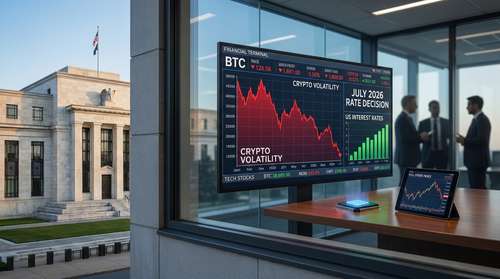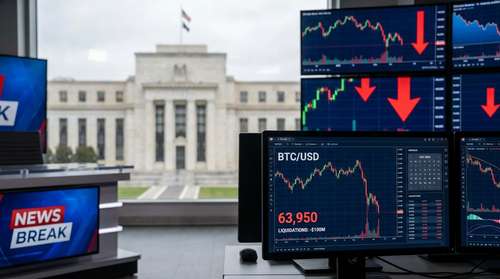

The cryptocurrency market was brimming with optimism just days ago, but a sudden shift in global macroeconomics has sharply reversed the narrative. Bitcoin's momentum has faltered at the critical Bitcoin $80,000 resistance level, sparking a widespread sell-off across digital assets. A potent cocktail of stalled geopolitical negotiations, surging oil prices, and an abrupt reversal in institutional funds has sent the sector into a tailspin. Now, traders are bracing for turbulence as risk-off sentiment dominates the financial landscape, leaving many to wonder if the bull run has hit a definitive ceiling.
The Rejection at the $80,000 Psychological Barrier
For the second time this week, the flagship cryptocurrency attempted to conquer new heights, only to meet fierce selling pressure. As Bitcoin pushed past $79,000 and eyed a decisive breakout, roughly $1.35 billion in sell orders flooded major exchanges, rapidly hammering the asset back down to the $76,000 range. This decisive technical rejection highlights the immense psychological weight of the $80K threshold.
The resulting crypto market correction 2026 has been swift and unforgiving. The inability to establish a daily close above this resistance has emboldened short sellers and shaken retail confidence. Market analysts note that the $80,000 range represents the average breakeven point for a massive tranche of recent buyers, making it a natural friction zone where heavy profit-taking emerges. Furthermore, the Coinbase Premium index—a key metric for measuring U.S. buying appetite—just flashed negative at -0.008 for the first time in three weeks. That signal suggests retail momentum is stalling exactly when the asset needs it most.
Geopolitical Tensions and the Macroeconomic Shockwave
The underlying catalyst for this week's pullback extends far beyond blockchain data. Global equity and digital asset markets are currently grappling with severe diplomatic breakdowns. Stalled peace talks between the United States and Iran, compounded by preparations for a naval blockade in the Strait of Hormuz, have sent Brent crude oil prices soaring past $110 per barrel.
This rapid escalation in energy costs delivers a direct crypto geopolitical impact. Higher oil prices invariably fuel inflation expectations, which severely complicates the Federal Reserve’s timeline for interest rate cuts. Prior to the conflict, markets had anticipated multiple rate cuts, but the Fed is now widely expected to leave rates higher for longer. With the prospect of tighter liquidity extending indefinitely, capital is fleeing speculative tech and digital assets in favor of traditional safe havens. The popular narrative of Bitcoin acting as a completely uncorrelated hedge is facing a severe reality check under these macroeconomic conditions.
Altcoins Feel the Heat
As Bitcoin sneezes, the broader market catches a cold. The Ethereum price dip April 2026 saw the second-largest cryptocurrency shed roughly 3% in tandem with the market leader. High-beta layer-1 networks like Solana (SOL) and Ripple (XRP) experienced comparable downward pressure. During times of acute macroeconomic stress, liquidity typically drains from alternative cryptocurrencies before it exits Bitcoin, a historical pattern playing out aggressively this week.
Institutional Retreat: Spot ETF Outflows Snap Streak
Perhaps the most telling sign of the current market anxiety is the sudden shift in capital flows. U.S.-listed funds recorded a staggering $263 million in Bitcoin spot ETF outflows on Monday alone. This sudden exodus snapped an impressive nine-day streak of positive inflows that had previously insulated the market from broader economic headwinds.
Fidelity's FBTC led the drawdown, bleeding over $150 million, while stalwarts like BlackRock’s IBIT posted zero net flows for the day. Even Ethereum ETFs, which had been gaining traction, flipped to $50 million in outflows during the same session. This data indicates that institutional crypto demand is highly sensitive to geopolitical instability. Wall Street managers are actively opting to de-risk their portfolios, effectively pulling the institutional price floor out from under the market until global tensions subside.
Sentiment Plunges: The Crypto Fear and Greed Index
The psychological toll of these combined headwinds is immediately visible in market sentiment indicators. The Crypto Fear and Greed Index, a widely monitored gauge of retail and institutional emotions, plummeted to a score of 27 this week. Operating on a 0-100 scale, this latest reading lands squarely in fear territory and edges dangerously close to extreme fear, a stark contrast to the greed-driven highs seen just weeks ago.
This rapid descent illustrates how quickly market psychology can fracture when technical resistance and macro realities collide. For contrarian investors, moments of extreme fear often signal potential long-term buying opportunities. However, until the $80,000 threshold is convincingly broken and geopolitical waters calm, the path of least resistance for digital assets appears heavily skewed toward downside consolidation.