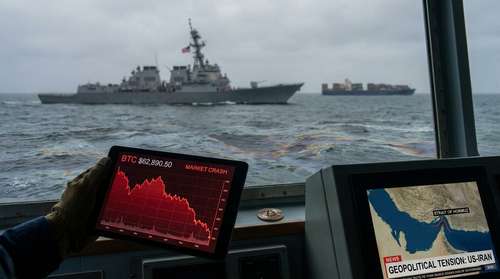
On Wednesday, April 15, 2026, cryptocurrency markets experienced dramatic whiplash as diplomatic efforts hit a sudden wall. The leading digital asset surged to a fresh monthly high, testing the critical Bitcoin $76k resistance level, largely driven by premature optimism surrounding Middle Eastern peace negotiations. However, the rally abruptly lost momentum, pulling the asset back down to $74,000. This immediate reversal followed a sobering JD Vance crypto announcement that confirmed ongoing US-Iran ceasefire talks had failed to produce a finalized agreement. For investors tracking the most pivotal Bitcoin price news 2026 has offered so far, today's rollercoaster action serves as a stark reminder of how deeply digital assets remain tethered to global diplomacy.
The swift price movements not only shook out over-leveraged traders but also established a complex technical setup for the weeks ahead. Market participants who had sidelined their capital are now eagerly dissecting the fallout, trying to ascertain if this pullback represents a momentary buying opportunity or the beginning of a much deeper institutional correction.
The US-Iran Ceasefire Crypto Impact on Digital Assets
Bitcoin had been steadily climbing over the past 48 hours as reports leaked out of Islamabad regarding potential breakthroughs in diplomacy. The prospect of de-escalating tensions sent shockwaves through risk assets, pushing buyers to confidently break past the $73,000 corridor. As the asset neared its peak, the US-Iran ceasefire crypto impact became undeniable, forcing heavy volume into spot markets and derivatives alike as funds rushed to price in the possibility of a stabilized Middle East.
However, the tone shifted drastically when U.S. Vice President JD Vance addressed reporters to clarify the administration's stance. In his address, Vance confirmed that despite marathon 21-hour negotiations, the two nations could not align on a final framework. Noting that Iran had not chosen to accept the proposed terms, Vance effectively dashed hopes of an immediate resolution. The asset reacted within minutes. The sharp pivot in sentiment highlights the growing reality of Bitcoin geopolitical volatility, where macroeconomic and diplomatic updates override technical chart patterns almost instantly. Traders who had banked on a peaceful resolution found themselves scrambling to de-risk their portfolios as the geopolitical premium vanished from the charts.
Why the Bitcoin $76k Resistance Held Firm
The $76,000 price point has acted as a psychological and technical ceiling throughout early 2026. Heading into the mid-week sessions, order books showed a massive concentration of sell orders waiting right at this threshold. When the diplomatic news broke, bulls possessed enough momentum to tap the level but lacked the sustained spot buying pressure needed to convert it into support. Resistance zones of this magnitude require overwhelming conviction to break, and the broader market remained hesitant. Once the negative news crossed the wires, the rejection was decisive, sending spot prices cascading back to the $74,000 baseline. Market analysts have pointed out that breaking the Bitcoin $76k resistance is mandatory for any sustained run toward new all-time highs above $80,000.
Crypto Market Liquidations Today: Short Sellers Squeezed
The violent upside move earlier in the day caught thousands of leveraged traders completely off guard. Looking at the broader crypto market liquidations today, the fallout was overwhelmingly tilted against those betting on a downward trajectory.
Data aggregators show that the sudden spike above $75,000 triggered over $225 million in liquidations of leveraged short positions.
- Over 80% of the recent total derivatives liquidations affected short sellers who anticipated further downside.
- BTC-denominated positions accounted for the lion's share of the damage across major exchanges like Hyperliquid, Bybit, and Binance.
- Centralized exchanges processing perpetual futures saw extreme volume spikes compared to their 7-day averages, highlighting the intensity of the trading activity.
When an asset is heavily shorted and suddenly spikes on news events, it forces short sellers to cover their positions by buying back the asset, creating a feedback loop known as a short squeeze. This exact dynamic fueled the initial blast toward the resistance barrier before the fundamental narrative collapsed. The sheer speed of the liquidations underscores how fragile the derivatives market can be when major macroeconomic news hits the wires.
This massive purge of short positions temporarily skewed funding rates, forcing the market into an unnatural state of imbalance. As open interest resets and traders lick their wounds, the cost of leveraging new positions has fluctuated wildly. Such market events typically precede periods of choppy sideways trading as both bulls and bears hesitate to commit fresh capital following significant, sudden losses.
Navigating Bitcoin Geopolitical Volatility Moving Forward
Traders and institutional allocators are now left assessing a highly reactive landscape. The failure to secure a peace accord leaves the door open for renewed supply chain fears and shifting energy costs, both of which indirectly influence risk-on assets like cryptocurrencies. Previous instances of Middle Eastern instability have routinely triggered flights to safety, temporarily draining liquidity from high-beta assets.
As we dissect the latest crypto news April 2026 continues to deliver, it is clear that digital assets are trading more like traditional commodities sensitive to global conflict. While long-term holders focus on institutional adoption and network fundamentals, short-term price action remains beholden to international relations.
Investors must now watch how the $74,000 support level behaves over the coming days. If geopolitical conditions worsen, a retest of lower bounds near $71,000 or even $70,000 remains entirely possible. Conversely, any sudden revival in negotiations could give bulls the exact catalyst they need to finally shatter the $76,000 ceiling. Until then, market participants should brace for continued chop as the geopolitical narrative continues to unfold.