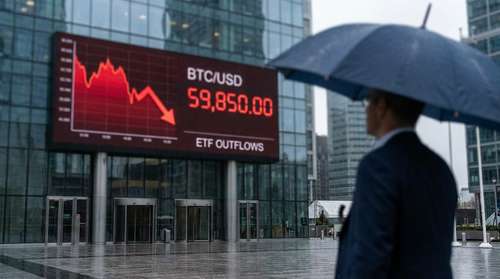
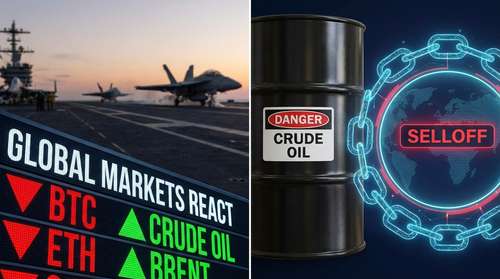
The financial world awoke to a geopolitical shockwave on Wednesday, July 8, 2026, as military escalation in the Middle East sparked an abrupt crypto market selloff and aggressive pivot away from risk-on assets. Following a series of targeted United States airstrikes against military installations in Iran, the global cryptocurrency market capitalization immediately fell by 1.24%. With Brent crude oil prices violently pushing toward $76 a barrel and new inflation fears taking hold, investors are frantically scrambling to assess the sweeping US strikes Iran crypto impact.
Digital assets, which have traded closely with tech equities throughout the year, faced immense downward pressure. Both Bitcoin and Ethereum shed gains as the global market reaction favored a deeply cautious, defensive posture. For traders and institutional investors alike, the primary question is whether this risk-off rotation is a temporary knee-jerk reaction or the beginning of a broader, sustained market correction.
Strait of Hormuz Conflict Triggers Military Response
The immediate catalyst for the sudden shift in global markets stems from the escalating Strait of Hormuz conflict. In recent weeks, commercial maritime traffic has faced severe disruptions following a string of attacks on shipping vessels transiting the vital chokepoint. This critical energy corridor handles a massive percentage of the world's daily oil consumption, and any sustained blockage invariably sends destructive ripples through the global economy.
In response to the deteriorating security situation, the US military launched fresh airstrikes on Iranian targets and effectively revoked existing trade sanctions waivers that previously allowed specific global oil sales. The decisive move represents a significant diplomatic and military escalation, catching many international markets off guard.
These swift military actions severely undermined hopes for a lasting ceasefire in the region. Commercial shipowners are now openly avoiding the strait, exacerbating an already tense logistical bottleneck. The heightened risk profile has led marine insurance rates to spike dramatically, compounding the baseline costs of transporting energy supplies and industrial goods across the globe.
Oil Prices Surge July 2026: The Inflation Threat Returns
The most immediate and tangible fallout from the regional clashes materialized heavily in energy markets. As the oil prices surge July 2026 dominates financial headlines, Brent crude climbed over 2% to approach $76 per barrel, while US crude futures similarly spiked past $72. This aggressive pricing action directly challenges the mainstream narrative that global inflation had finally been brought to heel.
Energy costs are a foundational component of the Consumer Price Index. When oil spikes, the cost to manufacture and transport nearly every consumer good follows suit. Market analysts note that this sudden energy supply shock is already impacting Treasury yields, with bond futures sliding as traders quickly price in the risk of sustained inflation and the potential for prolonged higher interest rates. Data indicating that US Strategic Petroleum Reserve stocks recently hit historically low levels only adds structural fuel to the bullish thesis for crude oil.
Decoding the Crypto Market Selloff
Why exactly do military actions half a world away crash digital asset prices? The answer lies in how modern capital categorizes Bitcoin and altcoins. Despite historical narratives framing Bitcoin as an uncorrelated digital gold and a safe-haven asset, the broader reality paints a very different picture. In times of severe geopolitical stress, we witness the classic dynamic of a risk off assets crypto rotation.
When uncertainty peaks, institutional algorithms and retail investors liquidate speculative positions to horde cash, gold, and government bonds. The resulting liquidity crunch hit the digital asset ecosystem hard. The Bitcoin price geopolitical tension correlation became undeniably apparent as BTC struggled to maintain its footing, briefly touching the $64,000 range before facing a sharp rejection downward.
Ethereum followed a similar downward trajectory, dropping back into the mid-$1,700 region, while prominent altcoins like XRP and Dogecoin traded heavily in the red. The derivatives market absorbed a massive blow, with crypto liquidations nearing a staggering $1 billion across leveraged long positions within just 24 hours of the strikes. It was a brutal reminder of the inherent volatility embedded in crypto margin trading. The immediate fallout included:
- Sweeping Liquidations: Over 167,000 trading accounts were caught completely off guard, resulting in forced closures of bullish bets.
- Equities Sympathy Pains: Cryptocurrency-related stocks, including major public mining operations and treasury holders, closed down over 3% as equity traders dumped proxy exposure.
- Stalled Rallies: Technical breakouts that had been building organic momentum over the long holiday weekend were entirely invalidated by the breaking news cycle.
Navigating the Global Market Reaction
For retail investors managing portfolios during this turbulence, the key is separating the initial panic from long-term macroeconomic trends. While the current crypto market selloff feels intense, it reflects a standard liquidity rotation rather than a fundamental failure of blockchain technology or adoption metrics. Some contrarian analysts are even viewing the localized dips as prime dollar-cost averaging opportunities, assuming the conflict does not spiral into a wider regional war.
Watch the bond market, gold prices, and energy sector closely over the coming days. Gold traded around $4,100 an ounce, indicating that while investors are actively hedging, global markets are not yet in a state of absolute, full-blown panic. If the geopolitical tension cools and oil stabilizes, risk-on assets typically rebound rapidly. However, if the military engagements expand or the Strait of Hormuz experiences a prolonged closure, the resulting inflation could force central banks to maintain restrictive monetary policies indefinitely. Under that specific scenario, digital assets may continue to face an uphill battle against deeply risk-averse macroeconomic headwinds.