
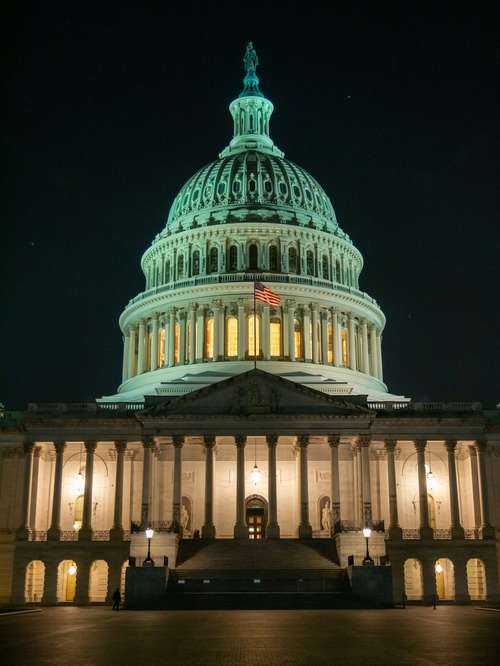
A high-stakes political drama unfolded in Washington this week as the U.S. Senate Banking Committee abruptly postponed a critical markup session for the Digital Asset Market Clarity Act. The delay came less than 24 hours after major industry player Coinbase publicly withdrew its support, sparking a showdown over the future of the US Senate Crypto Bill 2026. Committee Chairman Tim Scott announced the pause to allow for further negotiations, signaling that the delicate compromise between lawmakers, banking lobbyists, and the crypto industry had fractured at the eleventh hour. At the heart of the dispute are controversial provisions that could reshape the blockchain regulatory framework and threaten the business models of major exchanges.
Coinbase Senate Opposition Derails the 'CLARITY' Act
The sudden halt to the legislative process highlights the immense influence of the Coinbase Senate opposition. CEO Brian Armstrong took to social media late Wednesday to declare that the company could not support the bill in its current form, arguing it would be "materially worse than the status quo." Armstrong's eleventh-hour intervention was a calculated move that effectively forced the hand of Senator Tim Scott, who had hoped to fast-track the legislation through committee.
For months, industry insiders had been optimistic about the bill, often referred to as the CLARITY Act. It promised to finally provide clear rules of the road for digital assets. However, the latest draft introduced language that Coinbase and other crypto advocates viewed as a betrayal of innovation. Armstrong specifically cited concerns that the bill would empower the SEC at the expense of the CFTC and impose stifling restrictions on decentralized finance (DeFi) protocols.
The Battle Over Network Tokens vs Ancillary Assets
One of the most complex and contentious aspects of the bill is its attempt to define a new legal taxonomy for cryptocurrencies. The legislation proposes a two-tiered classification system distinguishing between network tokens vs ancillary assets. Under this framework, assets deemed "ancillary" would fall under the strict jurisdiction of the SEC, requiring extensive disclosures similar to traditional securities. Only once a project could prove sufficient decentralization would its asset graduate to become a "network token," regulated as a commodity by the CFTC.
While this distinction aims to solve the jurisdictional turf war between regulators, critics argue the current definitions are too broad. By categorizing vast swaths of the crypto market as ancillary assets by default, the bill could force thousands of projects into a regulatory limbo. Developers fear this blockchain regulatory framework would stifle innovation by imposing compliance costs that are impossible for early-stage decentralized protocols to meet.
Stifling Innovation in the Name of Clarity?
The industry's pushback isn't just about labels; it's about survival. If the threshold for becoming a network token is set too high, the U.S. risks driving Web3 development offshore. The current draft's reliance on SEC oversight for the "ancillary" phase effectively codifies the agency's aggressive enforcement approach, a red line for many in the crypto sector who have spent years fighting for a commodity-first approach.
The Controversy Behind the Stablecoin Rewards Ban
Perhaps the most explosive issue in the negotiations is the proposed stablecoin rewards ban. The draft legislation includes provisions that would prohibit crypto platforms from offering passive yield or interest on stablecoin holdings to customers. This clause is widely seen as a concession to the banking lobby, which fears that high-yield stablecoin accounts could siphon deposits away from traditional community banks.
Coinbase and other exchanges view this as an anti-competitive measure designed to protect legacy financial institutions. In his statement, Armstrong argued that banning rewards for simply holding assets like USDC deprives consumers of value and entrenches the banking sector's monopoly on interest-bearing accounts. The bill does allow for "activity-based" rewards—such as those tied to staking or payments—but the ban on passive income strikes at the heart of the modern crypto exchange business model.
What's Next for the Tim Scott Crypto Hearing?
With the markup session now on indefinite hold, the future of the US Senate Crypto Bill 2026 hangs in the balance. Senator Scott has stated that all parties remain at the negotiating table, but bridging the gap between the banking lobby's demands and the crypto industry's