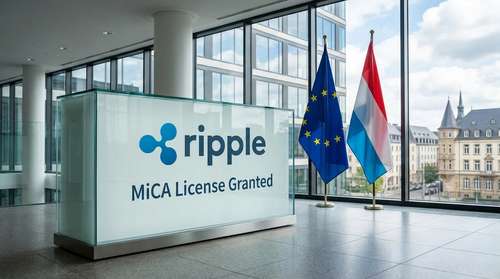

The landscape of American finance undergoes a historic transformation today. As of April 1, 2026, the landmark OCC crypto final rule 2026 is officially live, effectively tearing down the regulatory barriers that kept digital assets on the fringes of traditional finance. By explicitly authorizing national trust banks to conduct non-fiduciary digital asset activities, the Office of the Comptroller of the Currency has opened the federal banking system to the cryptocurrency industry. This policy shift enables heavyweight firms to offer federally regulated cryptocurrency custody and stablecoin infrastructure, permanently altering how institutions interact with digital assets.
Decoding the OCC Digital Asset Framework Upgrades
For years, digital asset firms navigated a fragmented, highly inefficient state-by-state patchwork of money transmitter licenses. The revised regulation, formalized in March and effective today, amends Title 12 of the Code of Federal Regulations (12 CFR 5.20). Previously, ambiguous regulatory language implied that national trust banks were restricted strictly to fiduciary roles. Today's amendment strips away that limiting text, replacing it with a broader authorization covering the "operations of a trust company and activities related thereto".
What does this mean in practice? It fundamentally rewrites digital asset custody laws by allowing trust banks to hold, manage, and safeguard crypto assets in a non-fiduciary capacity. Institutions can now execute riskless principal transactions, process blockchain network "gas" fees, and provide underlying infrastructure for stablecoins without fearing sudden regulatory crackdowns or jurisdictional ambiguity.
Before this rule change, legal uncertainty kept many traditional financial institutions on the sidelines. The updated OCC digital asset framework cements the federal government's position on integrating cryptocurrency into the established banking sector, ensuring that innovation proceeds within a safe, standardized, and strictly regulated environment.
Ripple National Trust Bank and the Federally Regulated Custodians
The immediate beneficiaries of today's regulatory milestone are the five firms that secured conditional charter approvals during the initial wave in December 2025. Among the most prominent is the newly formed Ripple National Trust Bank. Operating as a de novo entity headquartered in New York, the subsidiary of Ripple Labs can now bypass the grueling state-level licensing process. A single federal regulator now oversees its enterprise custody and blockchain-based payment services across all fifty states.
Ripple isn't entering this arena alone. Traditional finance juggernaut Fidelity Digital Assets, along with crypto-native custodians BitGo and Paxos, successfully converted their existing state trust companies into federally chartered entities. Meanwhile, Circle also established its own de novo charter. These national trust bank crypto activities bring a level of institutional-grade security that large-scale investors and corporate treasuries demand. By operating under the OCC's rigorous supervisory perimeter, these custodians provide a safe harbor for billions of dollars in institutional capital waiting to deploy into digital markets.
Stablecoin Integration and Market Dynamics
A massive driver behind this push for federal charters is the explosive growth of stablecoins. Following the passage of the GENIUS Act in July 2025, which established a comprehensive regulatory umbrella for dollar-pegged assets, federally chartered institutions became the preferred vehicles for stablecoin issuance. Ripple's RLUSD stablecoin, managed under its expanding trust umbrella, gains significant legitimacy and operational efficiency through this streamlined federal oversight.
What This Means for XRP News April 1 2026
Market analysts have closely monitored this regulatory trajectory, making it the dominating XRP news April 1 2026. The finalization of the OCC rule removes a massive layer of operational uncertainty for Ripple's broader ecosystem. While the trust bank charter does not grant commercial lending or retail deposit-taking powers, the ability to natively custody client assets and clear transactions under federal purview drastically enhances the utility of the XRP Ledger in global cross-border settlements.
Institutional confidence relies heavily on regulatory clarity. With Ripple now operating a federally regulated fiduciary and non-fiduciary custody platform, traditional banks are far more likely to explore correspondent relationships and adopt blockchain payment rails. The risk of partnering with an unregulated exchange is entirely replaced by the security of dealing with a heavily supervised, OCC-compliant trust bank.
Pushback and the Future of Crypto Banking Regulation USA
Despite the optimism radiating from the digital asset sector, the integration of crypto entities into the national banking system faces stiff resistance. Traditional banking advocacy groups, notably the Independent Community Bankers of America (ICBA), have heavily criticized the OCC's approach. Their primary argument centers on fairness: fintechs and crypto firms are securing national banking status without adopting the full suite of banking obligations, such as FDIC insurance mandates, capital risk-weighting, or community lending requirements.
These groups argue the new rules improperly expand the scope of trust charters, creating an uneven playing field where tech companies can cherry-pick the most profitable aspects of banking. Regardless of the friction, the implementation of today's rule marks a decisive victory for digital asset adoption. The architecture of crypto banking regulation USA has formally shifted from a defensive posture to one of structural integration. As these newly minted national trust banks begin operations this morning, the traditional wall separating Wall Street from the blockchain has never been thinner.