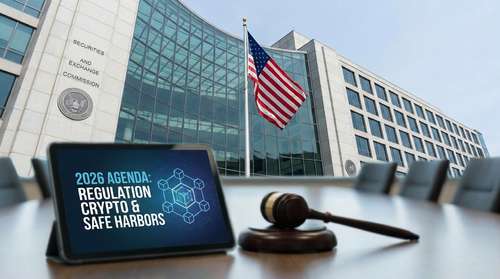
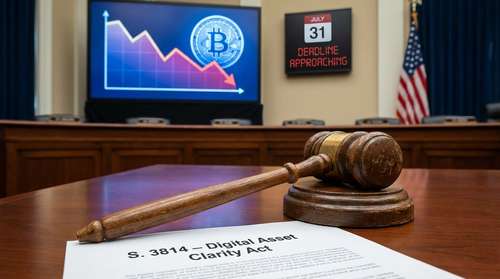
The clock is ticking on Capitol Hill, and the stakes for the American financial technology sector have never been higher. Following weeks of intense back-channel negotiations, the landmark Digital Asset Clarity Act is officially on life support. Despite early bipartisan optimism, a stubborn impasse in the Senate Banking Committee over contentious stablecoin provisions threatens to derail the most significant piece of crypto regulation news this year.
With the legislative calendar shrinking and the summer recess rapidly approaching, industry insiders are sounding the alarm. If lawmakers fail to break the current deadlock, the momentum behind the FIT21 Senate update 2026 push will likely freeze entirely, pushing any meaningful federal regulatory progress until well after the highly contested November midterm elections.
The Stablecoin Yield Deadlock
At the center of the current legislative gridlock is a fierce, four-way tug-of-war over stablecoin legislation. The latest draft of the Digital Asset Clarity Act features a controversial compromise text—spearheaded by key members of the Senate Banking Committee—that effectively bans crypto platforms from offering passive yield or interest on stablecoin balances. Traditional banking advocates lobbied heavily for this restriction, arguing that unregulated, interest-bearing stablecoins could trigger massive deposit flights from community and regional banks.
However, the digital asset industry is aggressively pushing back against these constraints. Heavyweights like Coinbase and Stripe have privately objected to the bank-friendly language, maintaining that consumers deserve access to yield-bearing products in a modern financial ecosystem. While the current Senate draft permits narrowly defined, activity-based rewards, it sacrifices the broader yield distribution models that native crypto firms view as essential. As lawmakers prepare for a highly anticipated markup session in late April, this fight over who controls deposit economics is effectively holding the broader market structure bill hostage.
SEC vs CFTC Jurisdiction Hanging in the Balance
The stablecoin dispute is particularly frustrating for market proponents because the broader legislation finally addresses the industry's most existential threat: the lack of a coherent regulatory framework. For years, the digital asset space has suffered under a relentless jurisdictional turf war. The Clarity Act promises to establish bright-line rules for SEC vs CFTC jurisdiction, categorizing a wide swath of digital assets and assigning sensible, permanent oversight.
Under these proposed US crypto laws, the Commodity Futures Trading Commission (CFTC) would gain clear statutory authority over digital commodities, while the Securities and Exchange Commission (SEC) would maintain strict oversight of restricted digital assets. By mandating tailored disclosures and robust anti-fraud protections, the legislation creates a compliant pathway for centralized intermediaries to operate safely on American soil. It even codifies essential protections for decentralized finance (DeFi) developers. Yet, all of these vital structural reforms—which have been meticulously negotiated since the original FIT21 framework passed the House—are now tethered to the precarious fate of the stablecoin compromise.
The Blockchain Association Sounds the Alarm
Advocacy groups are growing increasingly vocal about the shrinking legislative window. Organizations like the Blockchain Association have warned that the current Senate delay could have catastrophic consequences for American financial leadership. The unified consensus among crypto advocates is that the U.S. can no longer afford to govern digital markets solely through fragmented agency enforcement actions.
With comprehensive global frameworks like the European Union's Markets in Crypto-Assets (MiCA) regulation fully coming online, the failure to pass the Digital Asset Clarity Act risks driving domestic capital, enterprise innovation, and developer talent to more favorable offshore jurisdictions. Industry representatives emphasize that regulatory certainty is a baseline requirement for institutional adoption, and punting the issue further down the road will only erode the competitive edge of American companies.
Midterm Elections Threaten to Freeze US Crypto Laws
Time remains the ultimate enemy of the Digital Asset Clarity Act. Legislative strategists note that while there is no formal hard deadline for the bill, the political reality of the 2026 calendar paints a grim picture. If the legislation does not successfully advance out of the Senate Banking Committee by the end of May, finding available floor time to debate the massive bill before the August Congressional recess becomes nearly impossible.
Once lawmakers depart for the summer, the campaign season for the 2026 midterm elections will entirely dominate Washington's agenda. Historically, complex and contentious financial market structure bills do not survive the highly partisan environment of an election fall. Key political figures have openly cautioned that a failure to secure a vote in the coming weeks effectively means stalling comprehensive federal crypto regulation until at least 2027.
For the digital asset industry, the stakes are binary. The next few weeks of closed-door Senate negotiations will either birth a historic new era of regulatory clarity or condemn the sector to another extended period of legal ambiguity. The financial technology community is watching Capitol Hill closely, hoping a last-minute compromise can save the legislation before the clock runs out entirely.