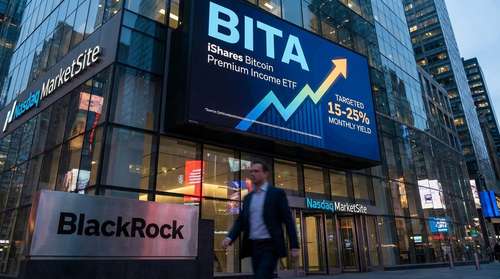

In a landmark move that signals the definitive maturity of digital assets in traditional finance, CME Group CEO Terry Duffy announced on Wednesday that the world's largest derivatives exchange will transition its cryptocurrency futures and options suite to a 24/7 trading schedule starting in the second quarter of 2026. The announcement, made during the company's fourth-quarter earnings call, comes on the heels of a record-breaking year where the exchange facilitated nearly $3 trillion in notional crypto volume, underscoring an undeniable institutional shift toward regulated, always-on market infrastructure.
Institutional Demand Drives 24/7 Market Evolution
The decision to expand to round-the-clock trading is a direct response to surging demand from institutional investors who require continuous access to risk management tools. For years, the gap between the 24/7 nature of the underlying spot crypto market and the limited trading hours of regulated traditional exchanges created friction for sophisticated traders. By closing this gap, CME Group is effectively erasing one of the last major structural barriers between traditional finance and the digital asset economy.
"We will begin offering 24/7 trading for our entire crypto suite in the next quarter to enable our customers to hedge exposure to the underlying cash markets for these products, which currently trade throughout the weekend," Duffy stated during the call. This strategic pivot acknowledges that in a global, digital-first economy, risk does not sleep on weekends.
Record-Breaking Volumes Signal Market Readiness
The timing of this launch is supported by robust performance data that paints a picture of a thriving institutional crypto market. Throughout 2025, CME Group saw unprecedented engagement, with momentum accelerating significantly in the fourth quarter. The exchange reported that over $13 billion in notional value was traded daily in Q4 alone—a staggering figure that highlights the liquidity depth now available to large-scale participants.
Furthermore, open interest in these products surged by more than 100% year-over-year. This metric is particularly telling, as it indicates that institutions are not just speculating on short-term price movements but are actively building and holding long-term positions on a regulated platform.
Expanding the Digital Asset Ecosystem
The move to 24/7 trading is just one component of a broader expansion strategy for CME Group's digital asset portfolio. During the earnings call, leadership also highlighted the imminent launch of several new products designed to diversify hedging opportunities for clients. On February 9, 2026, the exchange is set to debut futures contracts for Cardano, Chainlink, and Stellar, further broadening the scope of regulated crypto derivatives beyond the dominant Bitcoin and Ether pairs.
This expansion into altcoin futures suggests that institutional appetite is widening beyond the primary market movers. By offering regulated avenues to gain exposure to these assets, CME Group is validating the broader utility and investment thesis of the wider cryptocurrency ecosystem.
Strategic Investments in Infrastructure
Supporting this massive operational shift requires significant investment. The company's 2026 financial guidance includes provisions for reinvestment into new initiatives, specifically citing the infrastructure required for 24/7 crypto trading. This commitment ensures that the exchange's technology stack can maintain the same level of reliability and security during weekends and holidays that traders expect during standard market hours.
Duffy also noted that as markets evolve, the exchange will "strategically evaluate whether other asset classes would also benefit from 24/7" access. This comment opens the door to a potentially transformative future where the "always-on" model pioneered by crypto could eventually permeate other traditional asset classes, such as foreign exchange or equity indices.
A New Era for Regulated Crypto Exchange
The transition to a 24/7 model for regulated crypto derivatives marks a pivotal moment in the history of financial markets. It represents the institutionalization of a market structure that was once unique to the crypto