
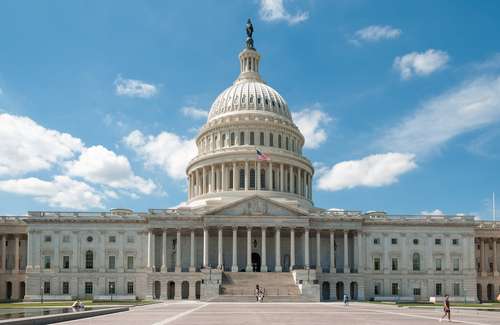
In what is shaping up to be the most consequential week for digital asset legislation in United States history, the highly anticipated CLARITY Act Senate markup is officially scheduled to begin. After months of political gridlock, U.S. Senator Bill Hagerty (R-TN) confirmed that the sweeping cryptocurrency market structure bill will formally enter the Senate Banking Committee review process starting next week, around April 13, 2026. If passed, this legislation will radically redraw the lines of regulatory authority, permanently altering how digital assets are traded, classified, and governed.
The stakes have never been higher. Following the House of Representatives' approval of the bill in July 2025 and the Senate Agriculture Committee's amended version passing in January 2026, the Banking Committee represents the final, formidable bottleneck. While both sides of the aisle agree that a modernized framework is essential for the future of decentralized finance, a lingering dispute over how to handle stablecoin rewards threatens to derail the timeline just months before the midterm elections.
SEC vs CFTC Jurisdiction: The Core of Crypto Market Structure Reform
At the heart of this legislative push is a profound realignment of federal oversight. For years, the industry has operated in a regulatory gray area, grappling with the tension of SEC vs CFTC jurisdiction. The CLARITY Act (officially the Crypto-Asset Market Structure and Investor Protection Act) seeks to decisively end this turf war by establishing a clear, functional framework.
Under the proposed legislation, the Commodity Futures Trading Commission (CFTC) would gain exclusive jurisdiction over "digital commodity" spot markets. The Securities and Exchange Commission (SEC) would maintain authority only over assets explicitly defined as "digital securities" or "investment contract assets". Anticipating this shift, SEC Chair Paul Atkins and the CFTC recently issued a joint interpretation clarifying how federal securities laws apply to certain crypto assets. This landmark "token taxonomy" formally defined digital commodities, digital collectibles, payment stablecoins, and digital securities, signaling that federal agencies are actively preparing for the reality of US crypto regulation 2026. By rebalancing power toward the CFTC, the legislation aims to provide the clarity that centralized exchanges and protocol developers have demanded for the better part of a decade.
The Final Hurdle: Stablecoin Yield Rules and Bank Lobbying
Despite broad bipartisan support for the jurisdictional changes, the path to the Senate floor is currently obstructed by a fierce battle over stablecoin yield rules. Traditional banking institutions have lobbied heavily against provisions that would allow crypto platforms to offer interest-like rewards on stablecoin balances. Their primary concern is that lucrative crypto yields could trigger massive deposit flight from traditional checking and savings accounts into non-bank digital asset ecosystems.
However, an eleventh-hour compromise appears to be taking shape. Industry insiders, including Coinbase Chief Legal Officer Paul Grewal, have noted that lawmakers are inching closer to an agreement on the outstanding issues. The current proposed language would prohibit platforms from offering passive yield simply for holding stablecoins, but would permit activity-based rewards linked to specific platform uses, transfers, and payments. Resolving this sticking point is absolutely vital for the survival of the bill, as stablecoin integration has become a foundational element of global cryptocurrency liquidity.
Senator Bill Hagerty Crypto Push Aims for April Passage
The renewed momentum for this digital asset legislation can largely be credited to coordinated efforts by key lawmakers who recognize the shrinking legislative window. Speaking at the Digital Assets and Emerging Tech Policy Summit at Vanderbilt University this week, the Senator Bill Hagerty crypto advocacy strategy was on full display. Hagerty assured attendees that the remaining obstacles, including the contentious stablecoin provisions and digital asset platform ethics rules, are not insurmountable.
Because the legislation directly impacts both securities and commodities, it uniquely requires approval from two separate Senate panels. The Senate Agriculture Committee successfully advanced its own version of the bill during a markup session earlier this year. Hagerty expects the Banking Committee, chaired by Senator Tim Scott, to report the bill out by the end of April. "We will be in a position, I hope, to bring all of this together very soon," Hagerty stated, emphasizing that the impending 2026 midterm elections create a natural urgency. If the committee procedures conclude successfully this month, the CLARITY Act could be packaged for a full Senate floor vote before the summer recess.
What This Crypto Market Structure Reform Means for Investors
For retail investors and institutional funds alike, the impending crypto market structure reform represents the maturation of the digital economy. A codified set of rules will likely open the floodgates for large-scale institutional capital that has previously remained on the sidelines due to compliance risks. As the Senate prepares for the decisive markup sessions next week, the entire global financial sector will be watching closely. The outcome will not only dictate the trajectory of American financial innovation but will also establish a regulatory blueprint that other nations are poised to follow.